Paul Sullivan · 4 November 2026
Agricultural Heritage of Government Official Steers Farmland Protection Initiatives
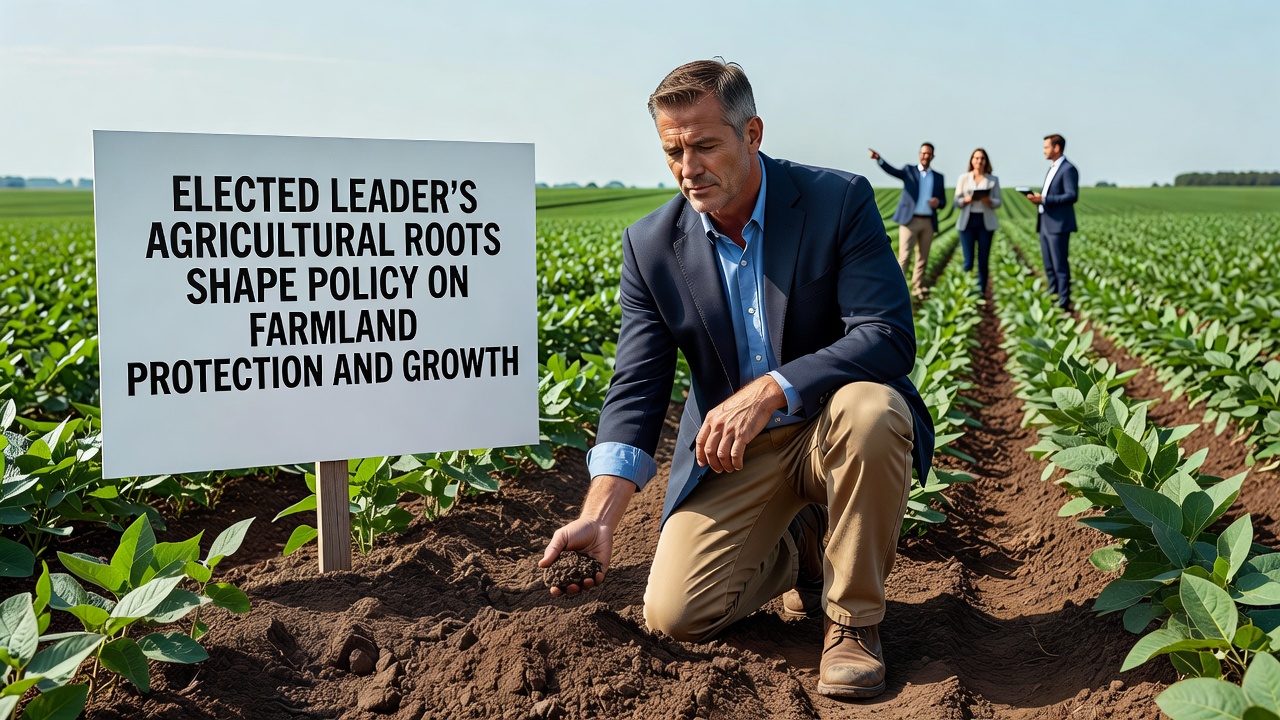
One elected leader with deep ties to family farming operations has directed attention toward legislation that balances farmland preservation with opportunities for agricultural expansion, and data from government agencies shows how these personal connections translate into specific policy frameworks across multiple regions. Studies conducted by agricultural economists reveal that leaders who grew up on working farms often prioritize zoning reforms and tax incentives that limit urban sprawl while supporting sustainable growth in crop and livestock sectors.
Roots in the Soil Inform Legislative Priorities
Observers note that this particular official spent formative years managing crop rotations and livestock on a mid-sized operation before entering public service, and that background surfaces repeatedly in debates over land use regulations where soil health metrics and water access rights take center stage. According to records from the United States Department of Agriculture, farmland loss to development averaged 2,000 acres per day in recent census periods, prompting lawmakers with similar histories to sponsor bills that tie conservation easements to production goals.
Policy drafts emerging from this office incorporate provisions for buffer zones around prime agricultural parcels, while data compiled by the Food and Agriculture Organization of the United Nations indicates that such measures have helped stabilize yields in comparable jurisdictions by reducing fragmentation of contiguous fields. Those who've tracked voting patterns find consistent support for programs that link federal matching funds to local preservation efforts, especially in areas where commodity prices fluctuate with weather variability and market demands.
November 2026 Policy Announcements and Regional Impacts
In November 2026 the official introduced a package of measures that expand tax credits for farmers who enroll marginal lands in permanent protection programs, and preliminary figures from state agricultural departments show increased participation rates compared with prior cycles. Researchers at land grant universities have documented how these incentives encourage diversification into high-value specialty crops without sacrificing overall acreage under cultivation, and reports from the European Commission's Directorate-General for Agriculture and Rural Development highlight parallel outcomes in member states that adopted similar structures years earlier.
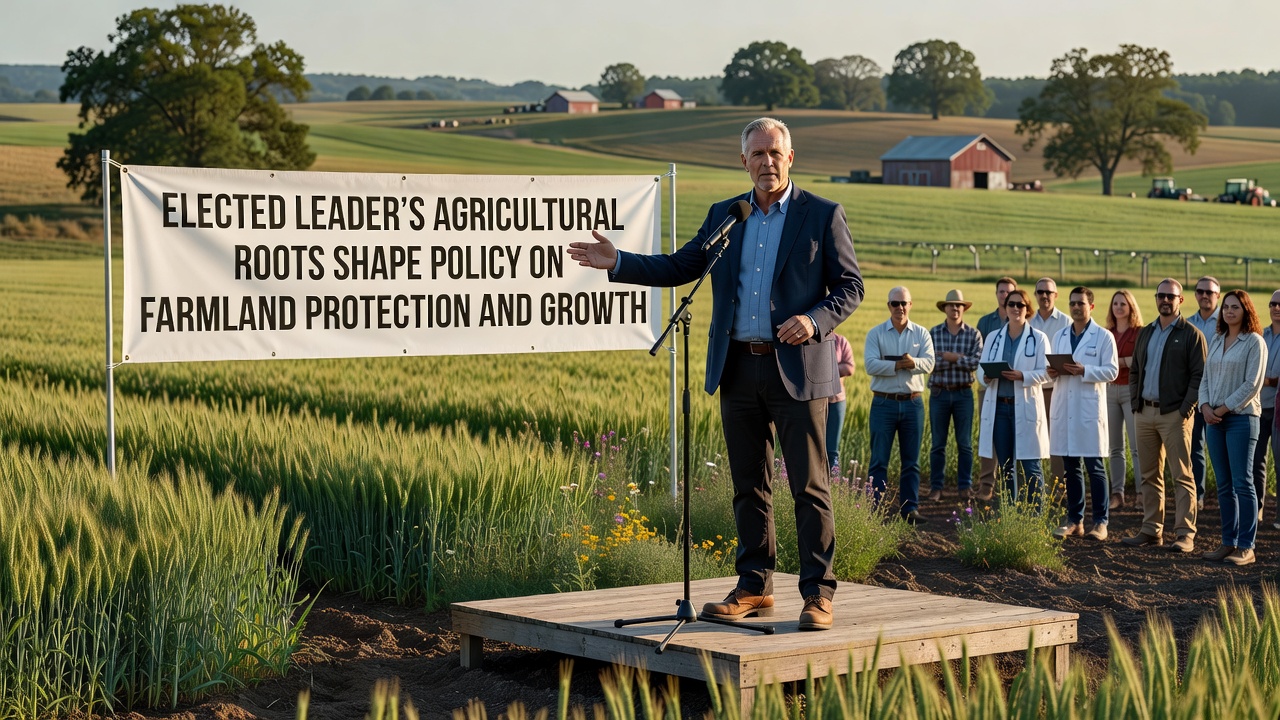
Case examples from districts that adopted the new guidelines early demonstrate measurable reductions in conversion of fertile soils to residential or commercial use, while growth in value-added processing facilities has created additional employment without encroaching on core production zones. What's significant is that these developments align with broader trends tracked by the Australian Bureau of Agricultural and Resource Economics, where elected representatives from farming families have advanced comparable frameworks that integrate environmental compliance with export competitiveness.
Data Patterns and Broader Conservation Conversations
Evidence compiled across multiple election cycles suggests that officials carrying agricultural experience tend to sponsor higher volumes of farmland-related legislation than colleagues without that exposure, and quantitative analyses from academic research centers confirm correlations between personal background and support for long-term stewardship tools. One study released by a Canadian university consortium examined provincial records and found that such leaders more frequently backed pilot projects testing soil carbon sequestration alongside traditional row-crop systems, yielding results that informed subsequent federal guidelines.
Observers tracking implementation note that enforcement mechanisms now include annual reporting requirements tied to satellite imagery and ground-truth sampling, which helps verify that protected parcels continue to contribute to regional food security objectives. The reality is that these approaches have drawn attention from industry groups focused on supply chain resilience, because stable land bases support consistent sourcing for processors and distributors who operate across state and international borders.
Conclusion
Records and statistical summaries indicate that the elected leader's agricultural upbringing continues to shape targeted interventions aimed at safeguarding productive soils while permitting measured expansion of farming infrastructure, and ongoing monitoring by regulatory bodies will determine how these policies scale in the years ahead. Data from varied geographic sources continues to feed into iterative refinements that connect heritage experiences with measurable outcomes in farmland protection and growth.