Parker Bennett · 23 September 2026
Youth Agriculture Initiatives Build Skills for Future Farming Demands
Youth agriculture programs have expanded across multiple regions in recent years as organizations seek to address workforce shortages and equip participants with practical knowledge for evolving industry conditions, and data from various government agencies shows increased enrollment in structured training initiatives that cover climate adaptation, technology integration, and business management. These efforts connect young individuals with hands-on experiences in crop production, soil health monitoring, and market analysis while preparing them to navigate supply chain disruptions and regulatory shifts that affect operations worldwide.
Core Components of Current Programs
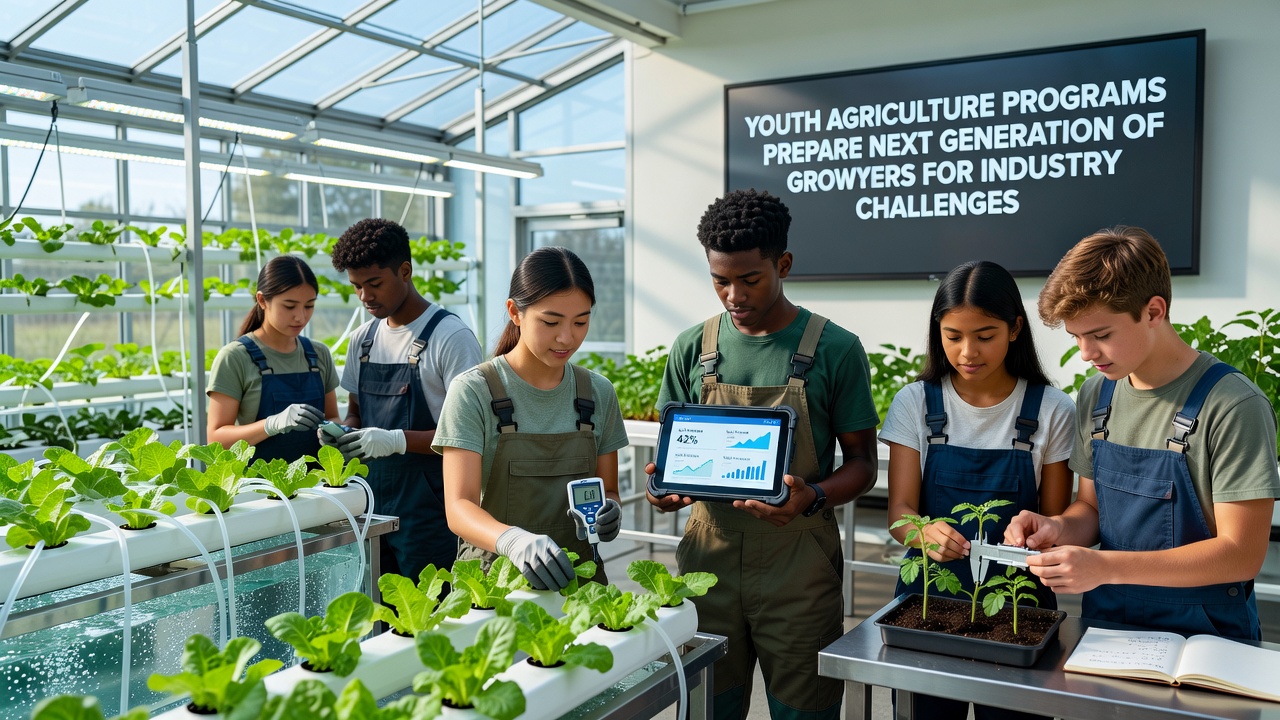
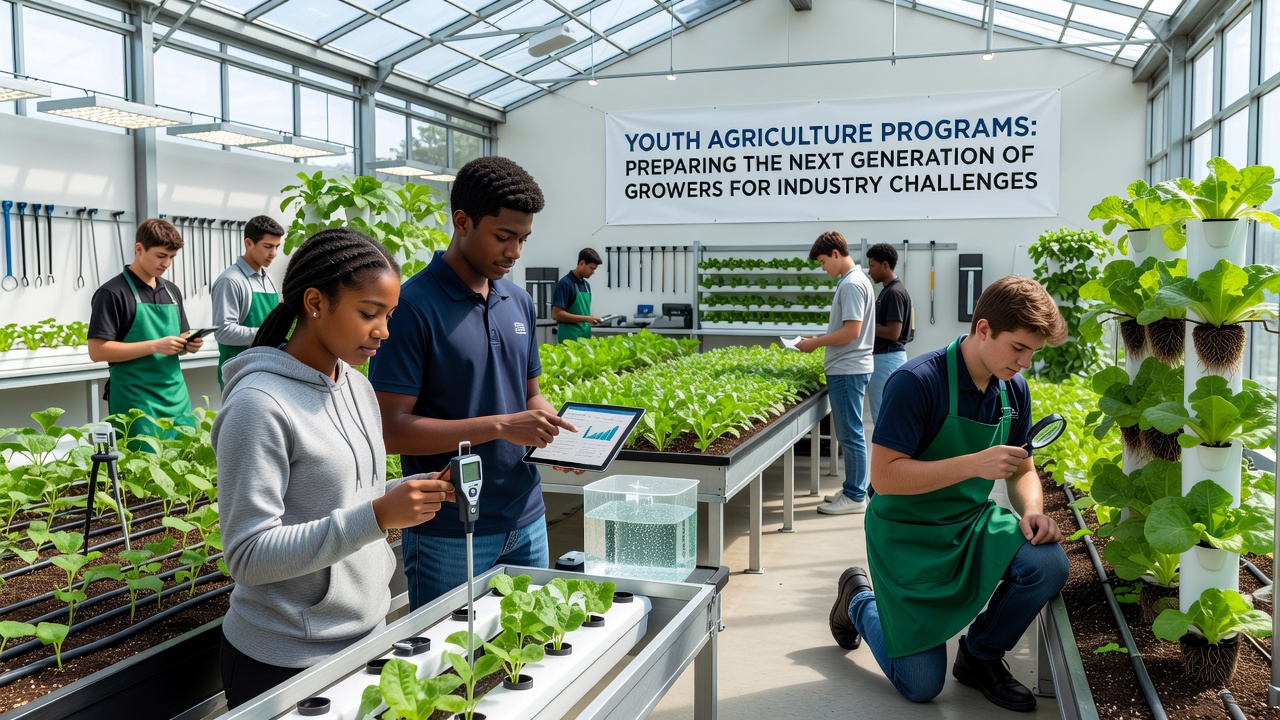
Many initiatives incorporate classroom instruction alongside field placements, where participants learn precision agriculture tools such as drone mapping and sensor-based irrigation systems, and researchers note that these methods help reduce resource waste while maintaining yields under variable weather patterns. Programs often include modules on financial planning and risk assessment, drawing from case studies of operations that faced market volatility, yet they also emphasize collaborative problem-solving through group projects that simulate real supply chain decisions. Enrollment figures from national agricultural departments indicate steady growth, with participants ranging from high school age to early career stages, and training frequently aligns with standards set by international bodies focused on food security.
Addressing Specific Industry Challenges
Climate variability stands as a primary focus area, with sessions dedicated to drought-resistant crop varieties and integrated pest management strategies that data from long-term field trials have validated for effectiveness in diverse climates. Labor availability issues receive attention through training on mechanized equipment operation and workforce coordination techniques, while sustainability requirements drive content around certification processes and environmental compliance reporting. Observers note that programs in North America and Europe often partner with research institutions to incorporate findings from ongoing studies on soil carbon sequestration and biodiversity enhancement, and these elements prepare participants for certification exams that many commercial operations now require.
By September 2026 several cohorts will complete advanced modules on digital record-keeping systems and export documentation procedures, aligning with updated trade agreements that affect cross-border produce movement. Industry reports highlight how such preparation reduces entry barriers for new operators who must meet traceability standards demanded by retailers and regulators alike.
Regional Examples and Outcomes
Training networks in the United States, Canada, and Australia demonstrate measurable results through placement rates into agricultural roles and startup ventures, according to statistics compiled by respective agriculture ministries. One documented approach involves mentorship pairings with established producers who share operational data on input costs and yield optimization, allowing participants to apply lessons directly in supervised settings. European counterparts through EU agricultural frameworks integrate similar elements with emphasis on policy compliance and grant application processes that support young entrants.
Academic evaluations from university-affiliated studies track participant progress over multiple seasons, revealing patterns in skill retention and adaptation to new technologies such as automated harvesting aids. These findings contribute to curriculum refinements that keep pace with sector developments including shifts toward regenerative practices and alternative protein crop development.
Future Directions and Data Trends
Continued investment in these initiatives correlates with projections for workforce needs through the coming decade, where analyses from agricultural research organizations point to requirements for expertise in both traditional cultivation and emerging areas like vertical farming systems. Partnerships between educational providers and equipment manufacturers facilitate access to updated machinery training, while online components extend reach to rural participants who face travel limitations. Figures released by international agencies track participation growth alongside improvements in program completion metrics, indicating sustained interest among younger demographics.
Additional focus areas include supply chain resilience training and consumer market analysis, topics that help graduates anticipate demand fluctuations and adjust production accordingly. Data indicates that programs incorporating these elements see higher rates of long-term involvement in the sector compared to less comprehensive approaches.
Conclusion
Youth agriculture programs continue to evolve in response to documented industry requirements, incorporating evidence-based methods that address climate, technology, and economic factors simultaneously. Participation data and outcome tracking from multiple sources support their role in developing capable operators equipped for current and anticipated conditions across global agricultural systems.